How We Think About Food Education
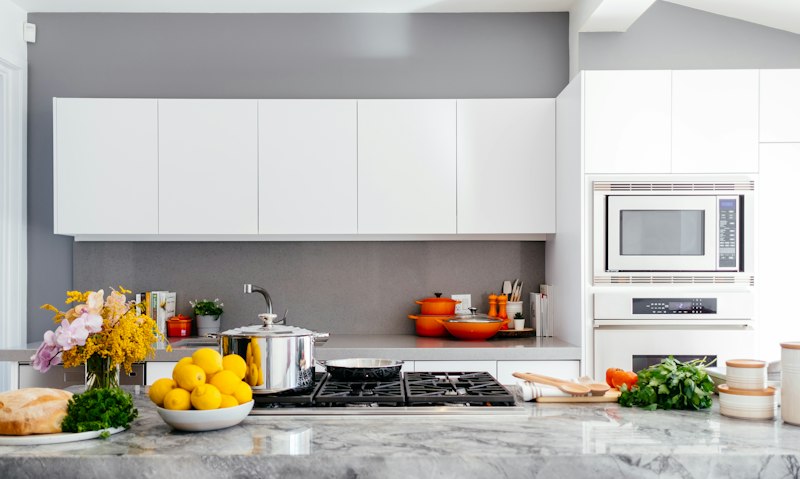
merry-meadow began in a small test kitchen where we were developing recipes for a cookbook that never got published. The recipes worked perfectly—each had been tested dozens of times, the measurements were precise, the instructions clear. Yet when we watched people cook from them, something felt incomplete.
They could follow the steps successfully, but they didn't understand the reasoning behind them. Why does this dough need to rest? What does "medium heat" actually mean on their particular stove? How do they know when the sauce has reduced enough?
That realization shifted our entire approach. Instead of publishing recipes, we started teaching the principles that make recipes work. We focused on helping people develop the judgment and confidence to cook without constant guidance.
Our Teaching Philosophy
Traditional cooking instruction often treats recipes as formulas to be memorized and executed. We treat them as frameworks for understanding broader culinary concepts. When you learn to make a basic vinaigrette, you're not just learning one dressing recipe—you're learning about emulsification, acid-fat balance, and flavor building that applies to countless other preparations.
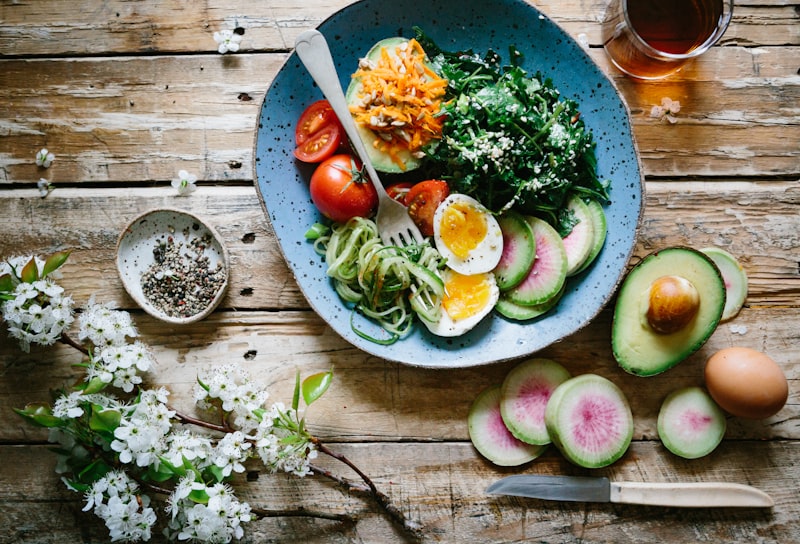
This principle-based approach means our workshops involve more questions than demonstrations. We want you to taste at each stage, to understand why ingredients behave certain ways, to develop sensory awareness that recipe instructions can never fully capture.
Who We Work With
Our students range from complete beginners who feel intimidated by their own kitchens to experienced home cooks looking to refine specific techniques. What they share is curiosity and a willingness to move beyond recipe dependency.
We've worked with people recovering family recipes from faded index cards, parents trying to expand their children's palates, food enthusiasts preparing to cook their way through different regional cuisines, and professionals from other fields seeking a creative outlet through cooking.
How Sessions Work
Every program we offer emphasizes hands-on practice over passive observation. In group workshops, you'll spend most of your time actively cooking rather than watching demonstrations. In private sessions, we adapt the pacing and focus entirely to your learning style and goals.
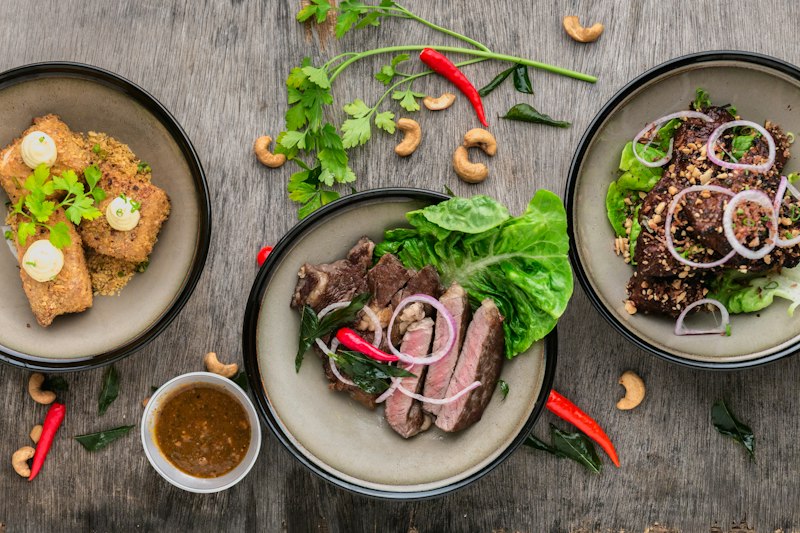
We provide all ingredients and equipment for workshops. For menu development and recipe translation services, we work primarily through video calls and shared documents, with periodic in-person sessions depending on your location and the project scope.
Beyond Individual Cooking
While most of our work focuses on individual skill development, we've found that cooking education creates unexpected connections. Many of our workshop participants have formed informal cooking groups, sharing their experiments and supporting each other's culinary journeys long after their sessions with us have ended.
That community aspect wasn't something we planned, but it reflects what we've always believed: cooking is fundamentally about generosity, creativity, and the pleasure of sharing something you've made with others. The technical skills matter, but they serve the larger purpose of making that sharing more joyful and less stressful.